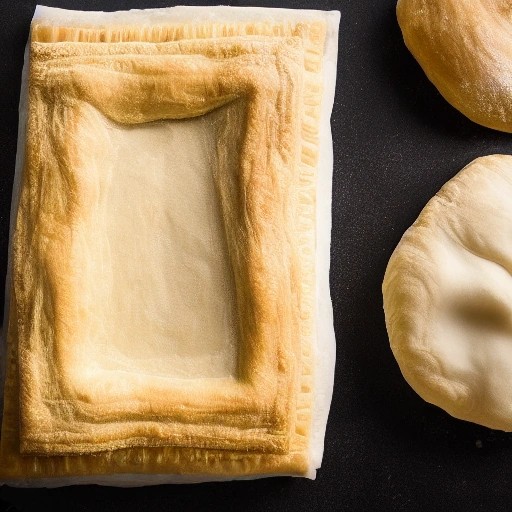

How to Substitute Puff Pastry for Phyllo Dough Successfully
Can you swap puff pastry for phyllo dough in your favorite recipe? The short answer is yes—but you need to know what you’re doing. These two pastries look similar but behave very differently in the oven. Puff pastry rises into thick, buttery layers while phyllo bakes into thin, shatteringly crisp sheets .
This guide will show you exactly how to make the substitution work. We’ll cover when it’s a good idea, when to avoid it, and all the practical tips you need for success. Whether you’re making savory pies, turnovers, or appetizers, you’ll know exactly how to adapt your recipe.
Quick Substitution Guide
Puff Pastry → Phyllo (When It Works Best)
- Best for: Turnovers, hand pies, strudels, flat pastries
- Avoid for: Baklava, spanakopita, layered Mediterranean dishes
- Ratio: 1 sheet puff pastry ≈ 4-6 layered phyllo sheets
- Key difference: Puff pastry is thicker and richer; phyllo is crispier and lighter
Understanding the Differences
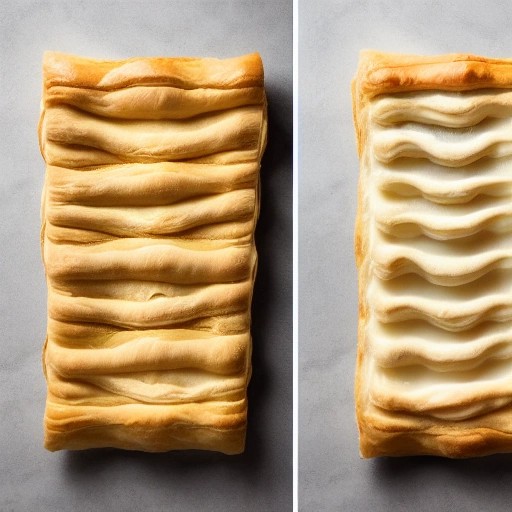
Puff pastry is a laminated dough made by folding butter into the dough multiple times. This creates hundreds of layers that puff up dramatically when baked . The butter content is high, which gives it a rich, tender texture .
Phyllo dough is made from flour, water, and a little oil or vinegar. It’s rolled into paper-thin sheets and brushed with butter or oil between layers. It bakes into a crispy, crackly crust rather than a puffy one .
The biggest difference is the fat content. Puff pastry is packed with butter, while phyllo is relatively low-fat on its own—you add the fat when layering .
When to Substitute Puff Pastry for Phyllo
This substitution works best for flat preparations where you don’t need the dramatic rise of puff pastry. Here are the ideal scenarios:
- Turnovers and hand pies: Cut puff pastry into squares, add filling, fold, and seal
- Strudels: Roll puff pastry around sweet or savory fillings
- Appetizer cups and bites: Use puff pastry as a sturdy base for finger foods
- Palmiers and cheese straws: These flat treats work well with either pastry
Avoid using puff pastry for recipes that rely on phyllo’s thin, delicate layers—like baklava or traditional spanakopita . The texture will be completely different, and you’ll lose the authentic experience.
Step-by-Step Substitution Guide
Follow these practical steps to swap puff pastry for phyllo successfully:
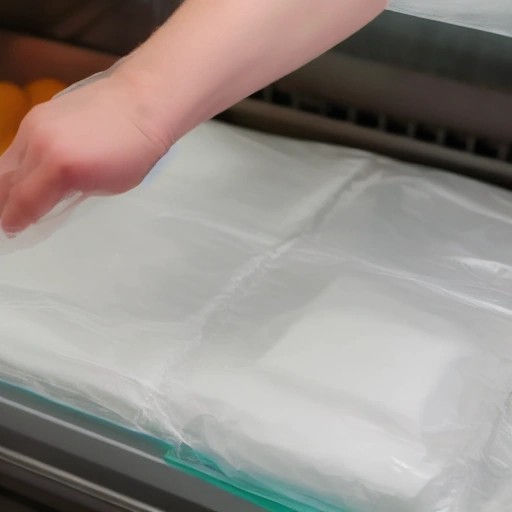
- Thaw properly. Defrost puff pastry in the refrigerator overnight. This keeps the butter cold and prevents it from melting too soon .
- Roll it out thinner. Puff pastry is much thicker than phyllo. Roll it out to about 1½ to 2 times its original size. Aim for roughly the thickness of a few stacked phyllo sheets .
- Don’t use multiple layers. Unlike phyllo recipes that stack several sheets, puff pastry already contains many layers inside. Use a single sheet as your base or wrapper .
- Skip the butter brushing. Puff pastry already has plenty of butter. You don’t need to brush it with melted butter like you would with phyllo .
- Seal with water, not butter. When sealing edges, use a little water to help them stick together. Butter will make the edges greasy and harder to seal .
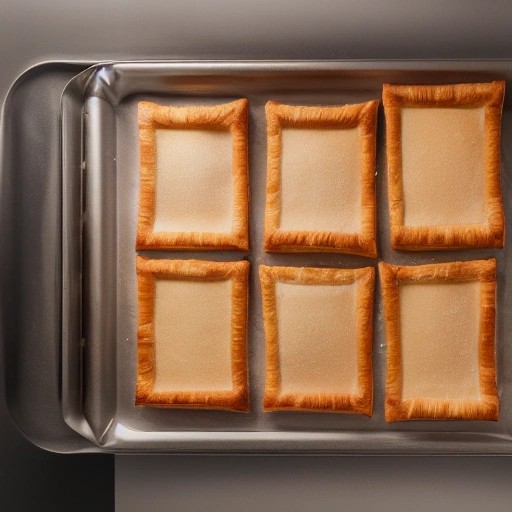
- Line your pan with parchment. Puff pastry is more likely to stick to the baking sheet than phyllo. Use parchment paper for easy release .
- Forget the damp towel. Puff pastry doesn’t dry out as quickly as phyllo. You don’t need to cover it with a damp cloth while working .
Adjusting Bake Time and Temperature
Baking times will likely need adjustment when making this swap. Here’s what to expect:
- Start with the recipe’s time as a guide, but check your pastry early .
- Check after 15 minutes and keep an eye on it until it turns golden brown .
- Puff pastry can bake faster than phyllo because it’s thinner when rolled out .
- Look for a rich golden color—that’s your sign it’s ready.
What to Expect: Texture Differences
Your final dish will taste delicious, but it won’t be exactly the same as using phyllo. Here’s how they compare :
- Puff pastry gives a richer, more buttery flavor and a thicker, more substantial bite
- Phyllo creates a lighter, crispier texture with more distinct layers
- Puff pastry is more tender and absorbent; phyllo is more brittle and shatteringly crisp
- Puff pastry will puff up; phyllo stays relatively thin
5 Tips for Best Results
Keep it cold. Puff pastry needs to stay chilled while you work. If it gets warm, the butter will melt and you’ll lose the flaky layers .
Use a sharp knife. When cutting puff pastry, use a sharp knife and cut straight down without sawing. This keeps the layers intact .
Don’t overwork the dough. Handle puff pastry as little as possible to keep the layers distinct .
Watch for sticking. Puff pastry sticks more than phyllo, so always use parchment paper .
Experiment with egg wash. For a golden shine, brush the top with egg wash before baking—but avoid the cut edges .
Frequently Asked Questions
Can I use phyllo dough instead of puff pastry for turnovers?
Yes, but they’ll be crispier and less puffy. Layer 4-6 sheets of phyllo with butter in between, then cut and fill. The texture will be lighter and more delicate .
How many phyllo sheets equal one sheet of puff pastry?
About 4-6 sheets of phyllo layered together with butter are roughly equivalent to a single sheet of puff pastry. But remember—they won’t puff up the same way .
Can I substitute puff pastry for phyllo in baklava?
You can, but the result won’t be authentic baklava. Puff pastry is much thicker and richer, so the texture will be completely different—more like a dense pastry than the light, layered dessert you expect .
Is phyllo dough healthier than puff pastry?
Phyllo is lower in fat and calories because it doesn’t contain nearly as much butter as puff pastry. But both should be enjoyed in moderation .
Can I freeze puff pastry after rolling it out?
Yes, you can freeze puff pastry after rolling it out. Just wrap it tightly and use within 3 months. Thaw in the fridge before using .