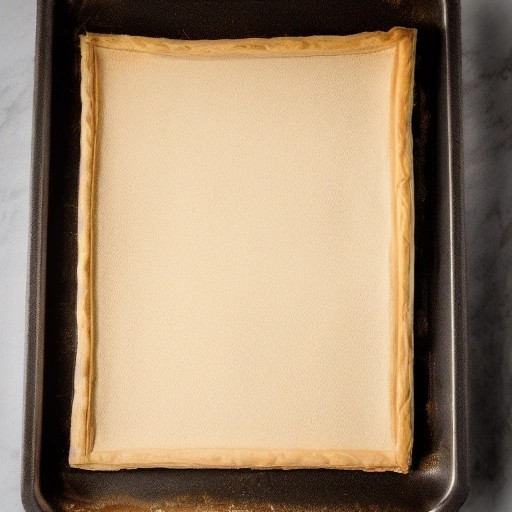
How to Blind Bake a Puff Pastry Tart Sheet Safely
Blind baking is the secret to a crisp, sturdy puff pastry tart that holds its shape and doesn’t turn into a soggy mess. Whether you’re making a quiche, a fruit tart, or a savory appetizer, pre-baking your pastry shell ensures it stays perfectly crisp even with the wettest fillings.
This guide walks you through everything you need to know about blind baking puff pastry safely and successfully. From chilling techniques to choosing the right weights, you’ll get perfect results every time—no more collapsed sides or undercooked bottoms.
Recipe Summary
Prep Time: 15 mins
Cook Time: 20-25 mins
Total Time: 35-40 mins (plus chilling)
Servings: 1 tart shell (serves 6-8)
Difficulty: Easy
Equipment & Ingredients
- 1 sheet puff pastry, thawed
- Flour for rolling
- Parchment paper
- Baking beans, ceramic weights, or dried rice/beans
- 1 egg (for egg wash, optional)
- Fork for docking
What is Blind Baking and Why Do It?
Blind baking means baking a pastry shell before adding the filling. For puff pastry, this step is essential when you’re using a wet or liquid filling—like custard, quiche, or fruit compote—that would otherwise seep into the dough and make it soggy .
Puff pastry is especially delicate because of its high butter content. Blind baking sets the structure early, so the layers can puff up properly without being weighed down by a filling. It also prevents the dreaded “soggy bottom” that ruins so many tarts .
Step-by-Step Guide to Blind Baking Puff Pastry
Follow these steps for a perfectly crisp, golden tart shell.
- Roll and line your tin. On a lightly floured surface, gently roll the puff pastry to about 1/8-inch thickness. Drape it over your tart tin, gently pressing it into the corners. Don’t stretch the dough—it will shrink back in the oven. Use your rolling pin to trim the excess pastry from the top of the tin .
- Chill thoroughly. This is non-negotiable. Place the lined tin in the refrigerator for at least 30 minutes (or up to 2 hours). Chilling firms up the butter and prevents shrinkage .
- Dock the pastry. Prick the base all over with a fork. This lets steam escape during baking and stops the base from puffing up unevenly .
- Line with parchment. Cut a piece of parchment paper large enough to cover the base and sides. Gently press it into the pastry. Some bakers like to scrunch the parchment first—this makes it more flexible and easier to shape .
- Fill with weights. Fill the lined pastry with baking beans, ceramic weights, or dried rice/lentils. Make sure they reach the top of the sides to support them. The weight should be heavy enough to hold the pastry in place .
- Preheat the oven. Set your oven to 200°C (400°F) or 190°C (375°F) for fan-assisted .
- Bake with weights. Bake for 15-20 minutes, or until the edges are set and just starting to turn golden .
- Remove weights and finish baking. Carefully lift out the parchment and weights. Return the tart to the oven for another 5-10 minutes, until the base is dry and golden all over .
- Optional egg wash. For extra protection against soggy fillings, brush the base with a thin layer of beaten egg and bake for 2-3 more minutes to seal it .
5 Tips for Safe and Successful Blind Baking
Use the right weights. Ceramic baking beans are reusable and conduct heat well. Dried beans or rice work perfectly too. Whatever you use, make sure they cover the entire base and come up the sides .
Don’t skip the chilling step. Warm pastry will shrink and lose its shape. Chilling for at least 30 minutes is essential for a neat, professional result .
Trim carefully. Leave a little overhang if you’re worried about shrinkage. You can trim the edges neatly after baking. For a perfect edge, roll your pin over the top of the tin to cut the excess cleanly .
Don’t over-bake. Keep an eye on your tart. The pastry should be golden and dry, not dark brown. Over-baking makes it brittle and prone to cracking .
Use a perforated baking mat. If you have one, a perforated mat allows hot air to circulate underneath, helping the base crisp up beautifully .
Common Blind Baking Mistakes to Avoid
- Not chilling the dough. This is the number one cause of shrinkage. Always chill before baking .
- Using too little weight. If the weights don’t reach the top of the sides, the pastry will slump down. Fill the shell completely .
- Rushing the process. Blind baking takes time. Don’t try to skip the initial bake or remove the weights too early .
- Skipping the dock. Without pricking holes, the base will puff up like a balloon—making it uneven and hard to fill .
- Stretching the pastry. Always drape the pastry into the tin gently. Stretching it creates tension, and it will shrink back during baking .
How to Use Your Blind-Baked Tart Shell
Once your tart shell is perfectly baked and cooled, it’s ready to fill. Here are some delicious ideas:
- Quiche Lorraine: Add a savory egg and bacon filling and bake until set .
- Fruit tarts: Fill with pastry cream and top with fresh berries .
- Caramelized onion tart: Spread with caramelized onions and goat cheese .
- Chocolate ganache tart: Pour in warm ganache and chill until firm .
Frequently Asked Questions
Do I have to blind bake puff pastry?
Only if your filling is wet or liquid. For dry fillings (like roasted vegetables) or when using puff pastry as a topping, blind baking isn’t necessary. But for quiches, custard tarts, and fruit pies, it’s essential to prevent sogginess .
Can I use dried beans as baking weights?
Yes, dried beans, lentils, or rice work perfectly as baking weights. They’re cheap, reusable, and conduct heat well. Just don’t use them for cooking afterwards .
How do you keep puff pastry from puffing up during blind baking?
The combination of docking (pricking holes) and using weights keeps the base flat. The weights hold the pastry down while the holes let steam escape .
What temperature should I blind bake puff pastry?
Bake at 200°C (400°F) for the initial bake with weights. After removing the weights, you can reduce to 180°C (350°F) for the final bake .
Can I freeze a blind-baked tart shell?
Yes! Blind-baked tart shells freeze beautifully. Wrap them well and freeze for up to 3 months. Thaw at room temperature before adding your filling .
Why did my pastry shrink during blind baking?
This happens when the pastry wasn’t chilled enough or when it was stretched during lining. Always chill for at least 30 minutes and drape the pastry gently into the tin without pulling .