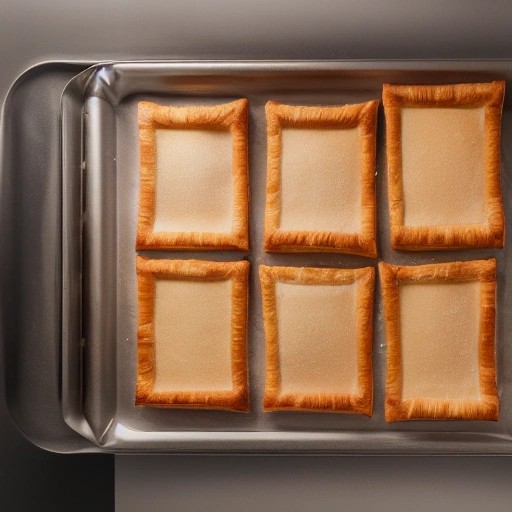

Why is My Puff Pastry Soggy? (5 Common Mistakes Fixed)
You followed the recipe, baked it until golden, and yet—your puff pastry came out soft, limp, and disappointingly soggy on the bottom. It’s one of the most frustrating baking problems, but the good news is it’s completely fixable. Soggy puff pastry usually comes down to a few common mistakes that are easy to avoid once you know what to look for.
This guide walks you through the five most frequent reasons for soggy puff pastry and gives you simple, practical fixes for each one. By the end, you’ll know exactly how to get that crisp, flaky, golden-bottomed pastry every single time.
Quick Fix Guide
5 Reasons Your Puff Pastry is Soggy
- ❌ Mistake #1: Wet filling making contact with raw dough
- ❌ Mistake #2: Not preheating your baking sheet or oven
- ❌ Mistake #3: Oven temperature is too low
- ❌ Mistake #4: Skipping the docking step (pricking holes)
- ❌ Mistake #5: Not chilling the dough before baking
Mistake #1: Using a Wet Filling
This is the number one culprit behind soggy puff pastry. When a wet filling—like fruit pie filling, raw vegetables, or juicy meats—sits directly on raw pastry, the moisture seeps into the dough before it has a chance to bake and crisp up .
The Fix: Create a barrier between the filling and the pastry. For sweet tarts, sprinkle a thin layer of breadcrumbs, ground almonds, or semolina on the base before adding the filling. For savory dishes, blind-bake the pastry first, or pre-cook wet ingredients to release excess moisture before adding them .
Mistake #2: Not Preheating Your Baking Sheet
Putting your pastry onto a cold baking sheet means it takes longer to heat up. That extra time gives the butter in the pastry more time to melt and soak into the dough rather than creating steam .
The Fix: Place your baking sheet in the oven while it preheats. When it’s hot, carefully transfer your prepared pastry onto the preheated sheet. The immediate blast of heat helps the bottom crisp up quickly .
Mistake #3: Oven Temperature is Too Low
Puff pastry needs a hot oven—typically between 190°C to 220°C (375°F to 425°F). If your oven is too cool, the butter melts slowly and gets absorbed into the dough instead of turning into steam. The result? A greasy, soggy mess instead of a puffy, flaky one .
The Fix: Always preheat your oven to the correct temperature. Use an oven thermometer to check if your oven runs cool—many home ovens are off by 10-15°C (25°F) or more .
Mistake #4: Skipping the Docking Step
When making a tart or pie with a filling, steam needs somewhere to escape. Without docking (pricking holes in the pastry), steam gets trapped underneath and makes the base damp and soggy .
The Fix: Before blind-baking, prick the base all over with a fork. For filled tarts, prick the base and line it with parchment and baking beans to hold the shape during the initial bake .
Mistake #5: Not Chilling the Dough Before Baking
Cold butter is essential for puff pastry. If the dough is warm when it goes into the oven, the butter melts too quickly—again, soaking into the dough rather than creating the steam that makes it puff up .
The Fix: Always chill your shaped pastry for at least 30 minutes before baking. If you’ve assembled a filled pie or tart, pop the whole thing in the fridge before baking .
Bonus Tips for Extra Crispy Puff Pastry
Use a perforated baking mat. Baking mats with little holes, like the “Fibrely” mats, let hot air circulate underneath the pastry, helping it crisp up from below .
Egg wash the base before filling. A thin layer of egg wash on the inside of the pastry base acts as a moisture barrier, protecting the dough from wet fillings .
Blind-bake for wet fillings. For tarts and quiches, blind-bake the pastry shell before adding the filling. This sets the structure and prevents sogginess .
Thin slices cook faster. When cutting fruit like apples for tarts, make sure they’re thin so they cook through quickly and release steam .
How to Save Already Soggy Pastry
If your pastry has already come out of the oven and is soggy, all is not lost. Try these rescue methods:
- Pop it back in the oven. Return the pastry to the oven on a preheated baking sheet for 5-10 minutes. The extra heat can crisp up the bottom .
- Serve warm. Soggy pastry often feels worse when cold. Reheat in the oven (not the microwave) to bring back some crispness .
- Flip it over. For pastries like quiches, you can sometimes flip them out onto the baking sheet and bake the bottom for a few extra minutes .
Frequently Asked Questions
Why does my puff pastry go soggy on the bottom?
This is usually caused by wet fillings or not blind-baking the pastry base. Always pre-cook any wet ingredients, use a moisture barrier like breadcrumbs, and bake on a preheated tray .
How do you keep puff pastry from getting soggy?
The best ways are: bake on a preheated sheet, use a hot enough oven, chill the dough, and use a barrier (like breadcrumbs or egg wash) between the filling and the pastry .
Why is my pastry soggy on top?
This can happen if you’ve covered the pastry during baking, trapping steam. It can also be due to not using enough heat. Make sure the pastry is uncovered and in a hot enough oven .
Can you re-crisp soggy puff pastry?
Yes! Place it back in a hot oven on a baking sheet for 5-10 minutes. The direct heat will help evaporate the moisture and restore some of the crispness .
Do you need to blind bake puff pastry for pies?
It depends on the filling. For wet fillings like quiche or fruit tarts, yes—you should blind-bake the base first. For dry fillings or when using the pastry as a topping, you don’t need to .