Why is My Puff Pastry Shrinking in the Oven? (And How to Fix It)
It’s happened to the best of us. You carefully roll out your puff pastry, fill it with delicious ingredients, and pop it in the oven. When you open the door, your beautiful tart or pie has shrunk back, leaving a smaller, sadder version of what you planned.
Shrinking puff pastry is a common baking frustration, but it’s not a mystery. The good news is it’s almost always preventable. This guide breaks down exactly why puff pastry shrinks in the oven and gives you simple, actionable fixes so your pastries come out perfectly every time.
Quick Guide: How to Prevent Shrinking
Your Shrinkage Checklist
- ✔️ Chill your dough – Rest in the fridge for at least 1 hour (overnight is even better) before baking .
- ✔️ Don’t stretch it – Roll gently and let the dough relax if it fights back.
- ✔️ No over-handling – Mix just until combined to avoid tough, elastic gluten.
- ✔️ Preheat your oven – A hot oven (around 200°C/400°F) sets the shape quickly.
- ✔️ Leave an overhang – When covering a pie, trim after baking, or leave a 2.5cm (1 inch) overhang .
- ✔️ Support the sides – For blind-baked tarts, fill with baking beans to hold the shape .
Why Does Puff Pastry Shrink?
Before we jump into the solutions, let’s quickly talk about the “why.” Shrinkage is caused by the gluten in your flour. When you work the dough, you develop gluten, which is basically a stretchy protein network. This is great for bread, but not for delicate pastry.
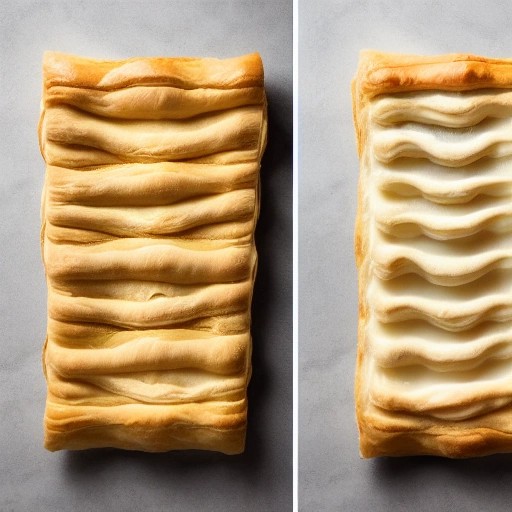
When a gluten network is overdeveloped and then hits the heat of the oven, it tightens up, like an elastic band snapping back. This causes your beautiful, rolled-out pastry to pull inward. Keeping the dough cold and handling it gently keeps that gluten relaxed .
How to Fix and Prevent Shrinking: Step-by-Step
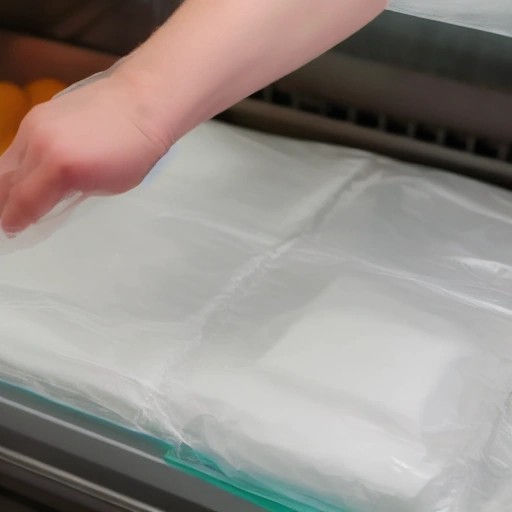
- Chill, Chill, and Chill Again. This is the most important rule. After you’ve rolled out your pastry, let it rest in the fridge for at least 20-30 minutes before baking . This relaxes the gluten and firms up the butter, which helps the pastry hold its shape. For the best results, rest your pastry overnight after making it .
- Roll Gently. When you’re rolling out your pastry, don’t force or stretch it. Roll with even, gentle pressure, turning the dough a quarter turn between each roll. This prevents you from rolling it in the same direction too much, which can cause it to shrink back later . If the dough starts to resist and snap back, it’s telling you it needs a rest. Wrap it up and put it in the fridge for 10-15 minutes.
- Don’t Stretch to Fit. A common mistake is stretching the pastry to fit a tart tin or pie dish. The pastry will simply shrink back to its original size in the oven. Instead, roll it out so it’s just slightly larger than your dish, then gently drape it over without pulling or stretching .
- Overhang is Your Friend. When using pastry as a pie top, leave a 2.5cm (1 inch) overhang over the edge of the dish. This will stop the pastry from shrinking and sinking into the filling. You can trim it off neatly after baking .
- Support for Blind Baking. If you’re pre-baking a tart shell, line the pastry with baking paper and fill it to the brim with baking beans or rice. This supports the sides and prevents them from slumping down .
- Check Your Oven Temperature. Your oven needs to be hot enough (around 180-200°C / 355-400°F) to create steam quickly. This steam is what makes puff pastry puff, and a hot oven helps set the structure before the gluten has a chance to tighten .
Common Mistakes That Cause Shrinkage
Avoid these classic pitfalls for the best results:
- Too much water: Adding too much water when making your dough can lead to more steam and more shrinkage as it evaporates. Use just enough water to bring the dough together .
- Excessive flour dusting: Using too much flour on your work surface gets incorporated into the dough, making it dry and tough. Brush off excess flour before folding or baking .
- Not resting between folds: When making rough puff or traditional puff, you must rest the dough in the fridge between each folding turn to relax the gluten .
- Over-handling scraps: Re-rolling scraps too many times overworks the gluten. Try to use scraps for simple items or layer them up and press them together gently, rather than kneading them, before re-rolling .
Tips for Perfect Puff Pastry
- Use the right flour: A soft, low-protein plain flour (sometimes called cake or pastry flour) will develop less gluten than a strong bread flour, leading to a more tender pastry .
- Keep everything cold: This can’t be stressed enough. Use cold butter and iced water. If your kitchen is warm, chill your mixing bowl and rolling pin too .
- Make a large batch and freeze: Making puff pastry is a labour of love. Make a large batch and freeze portions for up to three months. This way, you only have to do the work once .
Frequently Asked Questions
Can you fix puff pastry after it’s already shrunk in the oven?
Once it’s baked, you can’t stretch it back. Your best bet is to “fill in” the space. If it’s a tart, you can fill the gap with extra filling. For a pie, you can always cut the pastry scraps into shapes and place them on top to hide any gaps.
Do I need to prick the pastry before baking?
Yes, if you’re blind-baking a tart shell, you should prick the base with a fork (docking). This lets steam escape and prevents the base from puffing up too much .
Is it better to bake puff pastry from frozen or thawed?
It depends. For pies and tarts, it’s best to thaw it overnight in the fridge. For small items like sausage rolls or cheese straws, you can bake them straight from frozen—just add a few minutes to the baking time.
Why does my pastry puff up unevenly?
This can happen if the pastry isn’t rolled evenly, or if the oven temperature is too low. It could also be due to unevenly cold butter, meaning some sections melt faster than others.