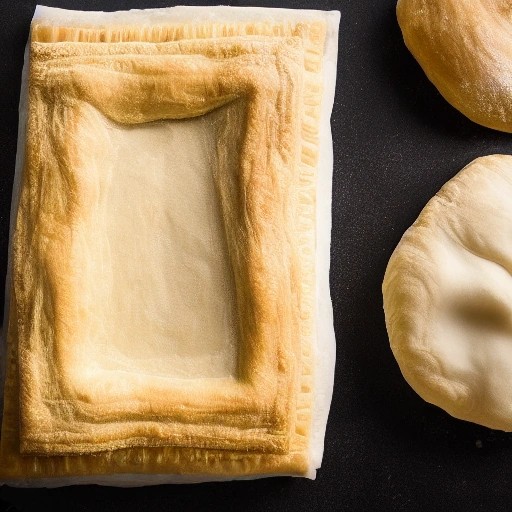
Puff Pastry vs Shortcrust Pastry: What is the Difference?
Are you standing in the baking aisle, wondering which pastry to pick for your pie or tart? You’re not alone. Puff pastry and shortcrust pastry are two of the most popular types, but they’re very different. One is light and flaky, the other is firm and crumbly. Choosing the right one can make or break your recipe.
This guide breaks down everything you need to know about these two pastries. We’ll compare their texture, ingredients, how they’re made, and which one works best for different recipes. By the end, you’ll know exactly which pastry to reach for—whether you’re baking a quiche, a fruit tart, or a savoury pie.
Quick Comparison: Puff vs Shortcrust
At a Glance
- Puff Pastry: Light, flaky, and layered. Made by folding butter into dough multiple times. Best for toppings and elegant tarts .
- Shortcrust Pastry: Firm, crumbly, and sturdy. Made by rubbing butter into flour. Best for pie bases, quiches, and tarts that hold wet fillings .
- Preparation: Shortcrust is quick and beginner-friendly. Puff pastry takes time and technique .
- Flavour: Shortcrust is richer and more buttery. Puff pastry has a more delicate, neutral taste .
What is Shortcrust Pastry?
Shortcrust pastry is the easiest type of pastry to make and is incredibly versatile . It’s made from a simple combination of flour, butter (or other fats), and a little water or egg to bind it together. The key is to rub the cold butter into the flour until it resembles breadcrumbs before adding the liquid. This creates a dough that is tender and crumbly—which is why it’s called “short” .
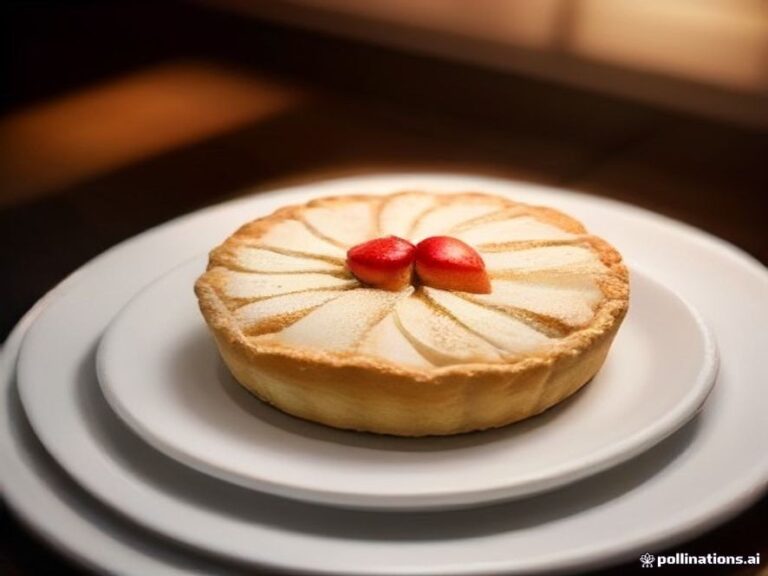
Because of its sturdy nature, shortcrust pastry is perfect for constructing robust cases for pies and tarts. It can stand up to both wet and dry fillings without going soggy . This is why it’s the classic choice for quiche, fruit tarts, and savory pies where you need a base that holds its shape .
What is Puff Pastry?
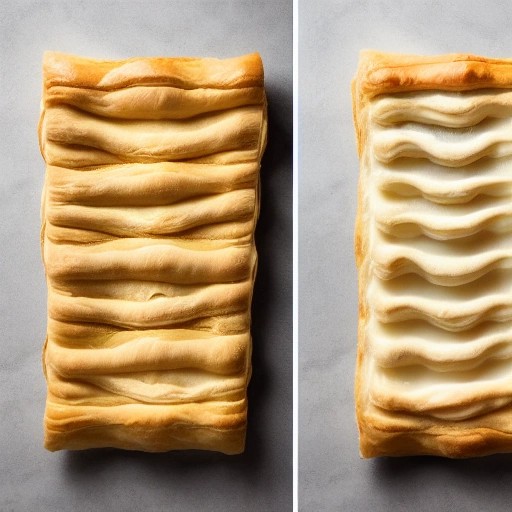
Puff pastry is the showstopper of the pastry world. It’s famous for its dramatic rise and hundreds of flaky, buttery layers. Unlike shortcrust, it’s made using a technique called lamination. This involves wrapping a block of butter inside a simple flour-and-water dough, then rolling and folding it multiple times . Each fold creates more and more thin layers of butter and dough.
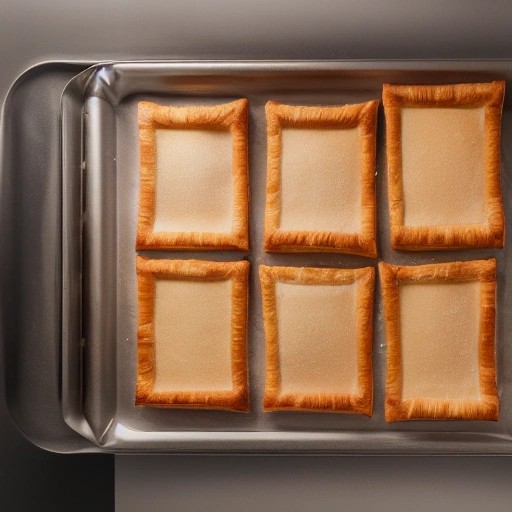
When puff pastry hits a hot oven, the butter melts and turns to steam. This steam pushes the layers apart, creating that incredible puff and airy texture . The result is a pastry that is light, delicate, and rich. Because of its delicate structure, puff pastry works best as a topping for pies (like a steak and ale pie) or as a base for dry ingredients, as wet fillings can make the layers go soft .
Key Differences at a Glance
| Feature | Shortcrust Pastry | Puff Pastry |
|---|---|---|
| Texture | Firm, crumbly, and tender | Light, flaky, and layered |
| Ingredients | Flour, butter, water (or egg) | Flour, butter, water, salt |
| Fat Content | Medium (about half fat to flour ratio) | Very high (layered butter) |
| Preparation Time | Quick and simple | Long, requires multiple folds and rests |
| Baking Result | Holds its shape, crisp base | Rises significantly, puffs up |
| Best Uses | Quiches, tarts, pasties, pie bases | Pie toppings, Wellingtons, palmiers, mille-feuille |
Which Pastry Should You Choose?
Picking the right pastry really comes down to what you’re baking. Here’s a simple guide:
- For a base that needs to hold a wet filling (like quiche, custard tarts, or a fruit pie): Choose shortcrust pastry. Its sturdy, crumbly texture will keep its shape and won’t go soggy .
- For a topping that needs to be light, crisp, and impressive (like a chicken pot pie or a steak pie): Choose puff pastry. It will rise into beautiful, golden flakes that contrast perfectly with the filling .
- For sweet desserts that need a rich base (like a Bakewell tart or lemon tart): Shortcrust is the go-to .
- For elegant, show-stopping desserts (like a mille-feuille or palmiers): Puff pastry is what you need .
As one baking expert puts it, a great way to get the best of both worlds is to use shortcrust for the pastry bottom, and puff pastry for the top. This gives you a crisp, sturdy base that holds the filling and a flaky, wow-factor top .
Frequently Asked Questions
Which pastry is easier to make at home?
Shortcrust pastry is definitely easier. It requires simple mixing and is quick to prepare. Puff pastry is more technical and time-consuming, which is why many home bakers choose to buy it ready-made .
Can I use puff pastry instead of shortcrust for a quiche?
You can, but they will give very different results. Shortcrust provides a sturdy, crumbly base that supports the wet filling. Puff pastry will give a lighter, flakier crust but may become soft or lose its structure with a moist quiche filling .
Can I use shortcrust pastry instead of puff pastry for a pie top?
Yes, you can. However, it won’t have the same light, flaky, puffed-up texture. It will bake into a crisp, dense, and crumbly lid, which is delicious in its own right but more like a traditional pie crust .
Why is shortcrust pastry called “short”?
The term “short” refers to its crumbly texture. The fat (butter) is rubbed into the flour, which coats the flour particles and prevents long gluten strands from forming. This makes the pastry tender and “short,” meaning it crumbles easily rather than being elastic .
Does puff pastry taste better than shortcrust?
It’s a matter of personal preference. Puff pastry has a delicate, buttery flavour and a melt-in-the-mouth texture. Shortcrust is richer, more buttery, and more filling. Neither is better; they just serve different purposes .