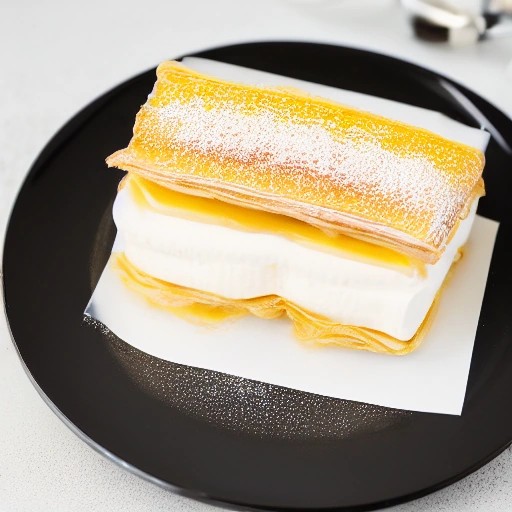
Easy Classic French Mille-Feuille Napoleon Dessert | Authentic Puff Pastry Dessert Recipe
This Classic French Mille-Feuille, also known as a Napoleon, is the ultimate show-stopping dessert that combines layers of flaky, golden puff pastry with silky vanilla pastry cream and a beautiful feathered glaze. With the help of store-bought puff pastry, this elegant dessert is much more approachable than it looks. Perfect for beginner bakers who want to impress, this recipe brings a taste of a Parisian pâtisserie right to your kitchen.
Mille-feuille, which translates to “a thousand leaves,” is a classic French dessert that’s as delicious as it is beautiful . It’s known for its incredible contrast of textures: the delicate, shatteringly crisp layers of buttery pastry against the smooth, rich, and creamy vanilla filling . While making the pastry from scratch is a labor of love, using high-quality, all-butter frozen puff pastry makes this sophisticated dessert achievable for any home baker .
This recipe simplifies the process without cutting corners on taste or presentation. We’ll guide you through making a luscious pastry cream, baking the puff pastry to crispy perfection, and creating that iconic feathered icing. Whether you’re celebrating a special occasion or just want to treat yourself, this mille-feuille is guaranteed to impress.
Recipe Summary
Prep Time: 30 mins
Cook Time: 25 mins
Chill Time: 3 hrs
Total Time: ~4 hrs
Servings: 8 pastries
Difficulty: Medium
Ingredients
- For the Puff Pastry:
- 1 package (17.3 oz / ~500g) frozen all-butter puff pastry, thawed
- For the Pastry Cream (Crème Pâtissière):
- 2 cups (480ml) whole milk
- 1/2 cup (100g) granulated sugar, divided
- 4 large egg yolks
- 1/4 cup (30g) cornstarch
- 1 teaspoon vanilla bean paste or pure vanilla extract
- 2 tablespoons unsalted butter
- For the Glaze and Decoration:
- 1 cup (120g) powdered sugar, sifted
- 2-3 tablespoons milk
- 1/4 cup (45g) dark chocolate, melted
How to Make Mille-Feuille with Puff Pastry
This classic pastry is easier than you think. Follow these steps to create a stunning mille-feuille at home.
Step 1: Make the Pastry Cream
This is best done a day ahead. In a medium bowl, whisk together the egg yolks, half of the sugar, and cornstarch until smooth and pale .
In a medium saucepan, heat the milk and the remaining sugar over medium heat until it just begins to simmer, stirring to dissolve the sugar. Remove from heat .
Slowly pour about half of the hot milk into the egg mixture, whisking constantly to temper the eggs. Pour this mixture back into the saucepan with the remaining milk .
Cook over medium heat, whisking constantly, until the mixture boils and thickens to a pudding-like consistency, about 2-3 minutes . Remove from heat and stir in the vanilla and butter until smooth .
Pour the pastry cream into a bowl and press a piece of plastic wrap directly onto the surface to prevent a skin from forming. Refrigerate until completely chilled, for at least 2 hours or up to 3 days .
Step 2: Bake the Puff Pastry
Preheat your oven to 400°F (200°C). Line two baking sheets with parchment paper .
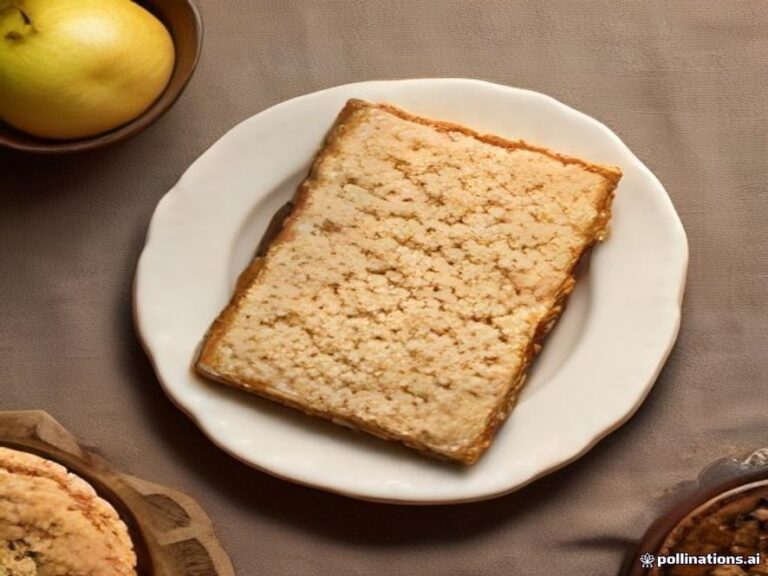
On a lightly floured surface, gently roll out the thawed puff pastry to smooth the creases. For a classic Napoleon, you can cut the pastry into three 8-inch squares or an 11×15-inch rectangle that you’ll cut into three 5×11-inch rectangles after baking .
Transfer the pastry to the prepared baking sheets. Prick the pastry all over with a fork to prevent it from puffing up too much. Cover with a second sheet of parchment paper and place another baking sheet on top to weigh the pastry down .
Bake for 15-20 minutes, or until the pastry is puffed and golden. Remove the top baking sheet and parchment, and continue baking for another 5-10 minutes until it’s a deep golden brown and fully baked through .
Transfer the pastry to a wire rack to cool completely .
Step 3: Assemble the Mille-Feuille
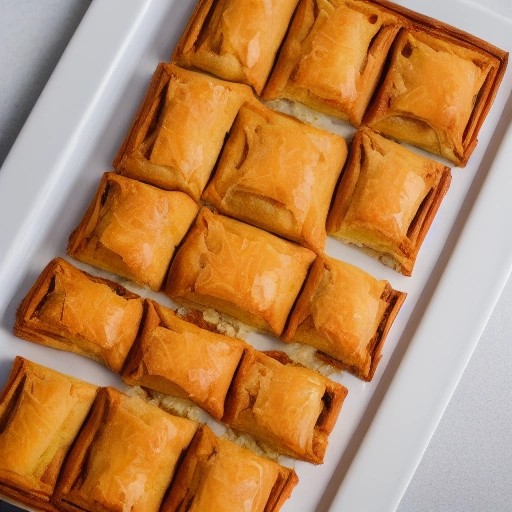
Once the pastry is cool, use a serrated knife to trim the edges for a neat, even rectangle . Cut the pastry into three equal strips or rectangles .
Place the chilled pastry cream into a piping bag fitted with a large round tip, or you can spread it on with an offset spatula .
Pipe or spread half of the pastry cream evenly over the first pastry layer. Top with the second pastry layer and spread the remaining cream on top. Finish by placing the third pastry layer on top, pressing down gently .
Step 4: Make the Icing and Decorate
To make the icing, whisk the powdered sugar and 2 tablespoons of milk in a bowl until smooth. If it’s too thick, add more milk a few drops at a time until it’s thick but spreadable .
Spread the icing evenly over the top layer of the mille-feuille. While the icing is still wet, pipe parallel lines of melted dark chocolate across the width of the pastry. Using a toothpick, drag it through the lines in alternating directions to create the classic “feathered” or chevron pattern .
Step 5: Chill and Serve
Refrigerate the assembled mille-feuille for at least 2 hours, or up to 8 hours, to allow the layers to set .
Just before serving, use a long, sharp serrated knife to carefully trim the edges for a pristine look. Cut into individual portions with a gentle sawing motion to avoid squishing the cream . Serve chilled.
Tips for a Perfect Mille-Feuille
Master the pastry cream: Tempering the egg yolks correctly is key to a smooth custard. The mixture will look clumpy for a second when you first add the hot milk, but it comes together quickly. Always stir constantly and cook until it boils for at least a minute to activate the cornstarch and thicken the cream .
Keep the pastry cold: Puff pastry is best worked with when it’s cold. Thaw it in the refrigerator overnight, not on the counter, and if it becomes too soft or sticky while you’re working, pop it back in the fridge for a bit .
Weigh down the pastry: Don’t skip this step! Weighing down the pastry with a second baking sheet or a cooling rack is what forces it into flat, even layers, which are perfect for supporting the cream and creating a professional look .
Chill before cutting: Chilling the assembled pastry before slicing is crucial. It firms up the pastry cream, making it much easier to cut cleanly and preventing it from squishing out .
Delicious Variations to Try
- Strawberry Mille-Feuille: Place a layer of thinly sliced fresh strawberries over the pastry cream when assembling .
- Mocha Mille-Feuille: Add 1-2 teaspoons of instant espresso powder to the pastry cream when heating the milk for a coffee-flavored version .
- Raspberry Mille-Feuille: Pipe the pastry cream as directed, but leave a small well in the center of each layer and fill it with a tart raspberry coulis .
- Chantilly Cream Filling: For a lighter filling, fold softly whipped cream into the chilled pastry cream (this is known as crème diplomat) .
How to Store
Storing: An assembled mille-feuille can be refrigerated for up to 8 hours before serving .
Make ahead: The baked puff pastry layers and the pastry cream can be made up to 3 days in advance. Store the pastry in an airtight container at room temperature and the pastry cream in the fridge. The glaze should be made just before assembling .
Frequently Asked Questions
What is the difference between a mille-feuille and a Napoleon?
They are essentially the same thing. The term “Napoleon” is often used in the United States, while “mille-feuille” is the traditional French name. In some regions, a Napoleon might refer to a version with an almond-based filling, whereas a mille-feuille is defined by its vanilla pastry cream, but they are generally used interchangeably .
Can I make this dessert gluten-free?
Yes, you can substitute the puff pastry and flour in the pastry cream with gluten-free alternatives. Many brands now offer high-quality gluten-free puff pastry. You’ll also need to use a gluten-free flour blend for the pastry cream.
Why did my pastry cream become grainy?
A grainy pastry cream is often the result of not stirring the mixture constantly while it cooks or cooking it over too high heat, which can cause the eggs to scramble. If this happens, you can try to salvage it by passing it through a fine-mesh strainer, but the texture may still be slightly off .
Why is my puff pastry not puffing up?
If the pastry was too warm when it went into the oven or if you didn’t prick it with a fork, it may not puff up as expected. The fork pricks allow steam to escape, preventing the layers from separating into a single large pocket. It’s also crucial that your oven is fully preheated to the correct temperature .